Designing an Accessible E‑Commerce Experience
L. Cornelissen & Son is one of London’s most historic art suppliers, known for its exquisite pigments, specialist tools, and deep connection to traditional craftsmanship. But while the physical shop is a sensory treasure, the online experience presents challenges; particularly, for users who rely on clearer categorisation, assistive technology, or dyslexia‑friendly interfaces.
In this project, I explored how Cornelissen’s digital presence could better reflect the care and accessibility of e‑commerce experiences. I focused on two key areas: improving product discoverability through clearer category structures, and designing features that support dyslexic customers who may struggle with dense text, inconsistent navigation, or overwhelming visual layouts.
Research Method
User Interview, Comparative and Competitive Analysis, Usability Testing, Affinity Mapping, Card Sorting
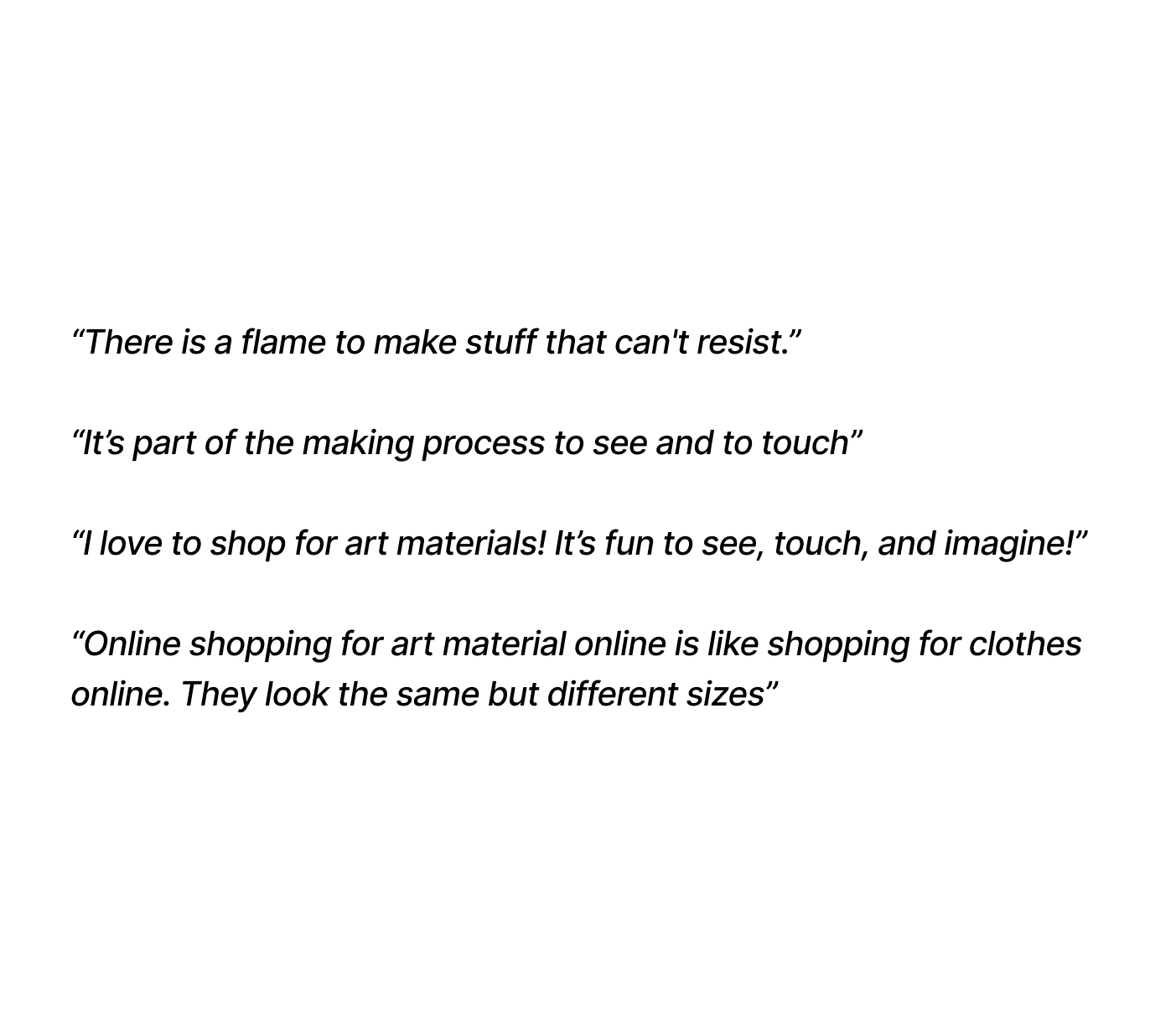
In this project, I conducted the user research by gathering painters and printmakers to answer questions about online shopping and also for usability testing of L. Cornelissen's website. This led to an affinity mapping that created two personas: 1. Anna White Afshar and 2. Mark L. Cornelissen.
A painter and an AI assistant
Persona
A painter and an AI assistant
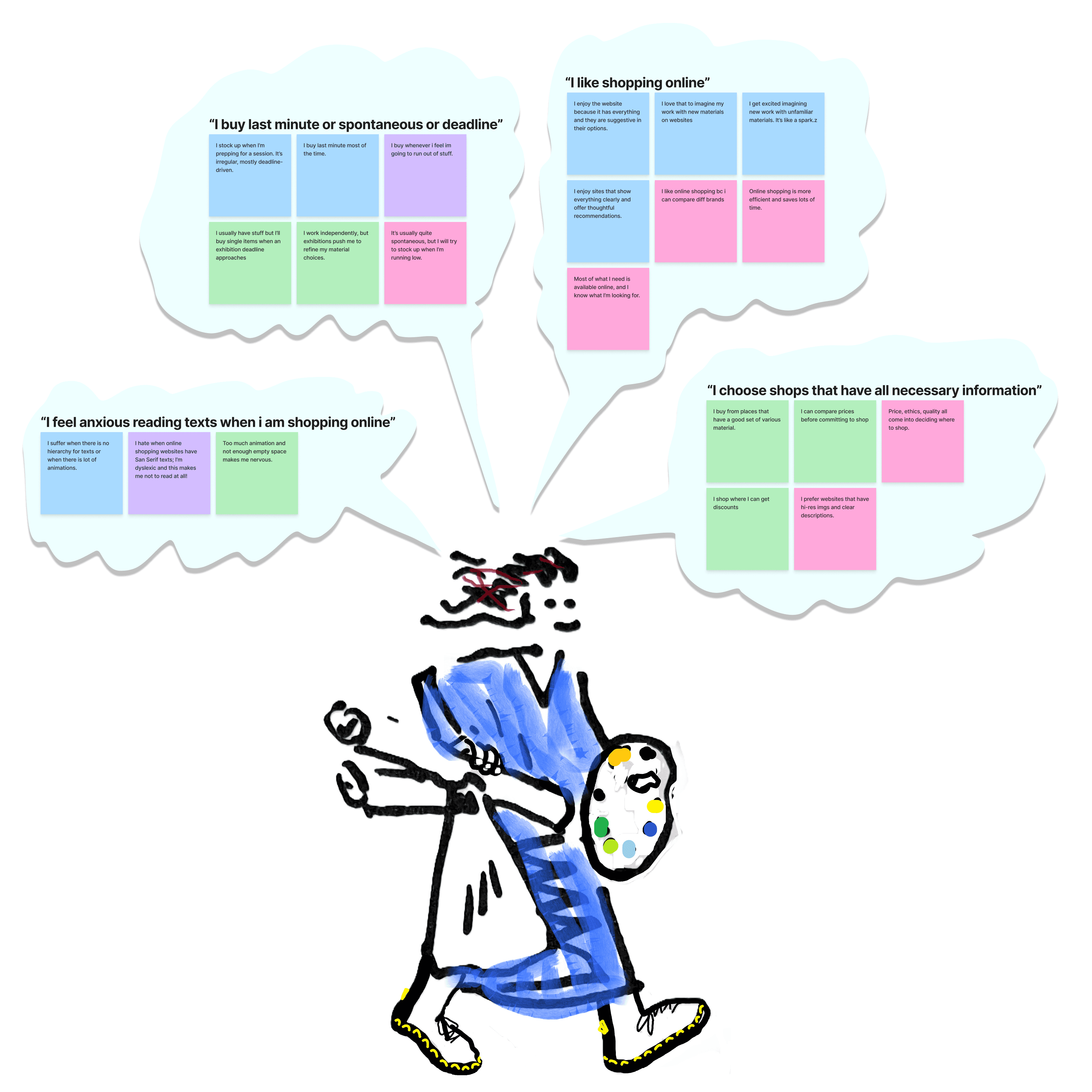
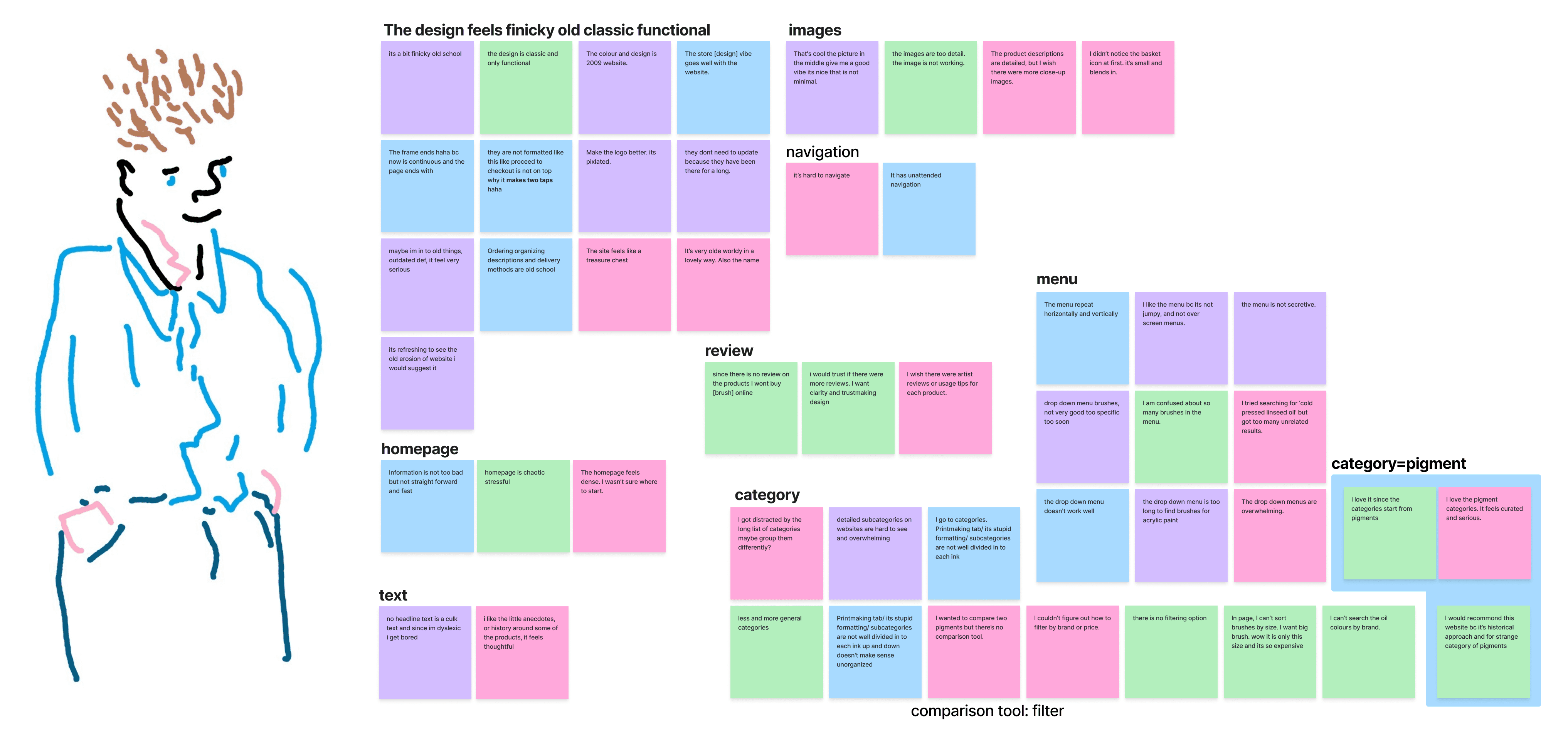
With 4 interviews, I made an affinity map that has two section: 1. "I Statements," which the interviewees gave their answers about online shopping for art materials and 2. usability test of L. Cornelissen's website's elements and flows. Anna White Afshar came to live by ethnographic approach to the interviewees and Mark L. become an alternative navigator of the website as an AI assistance.
Meet Anna!
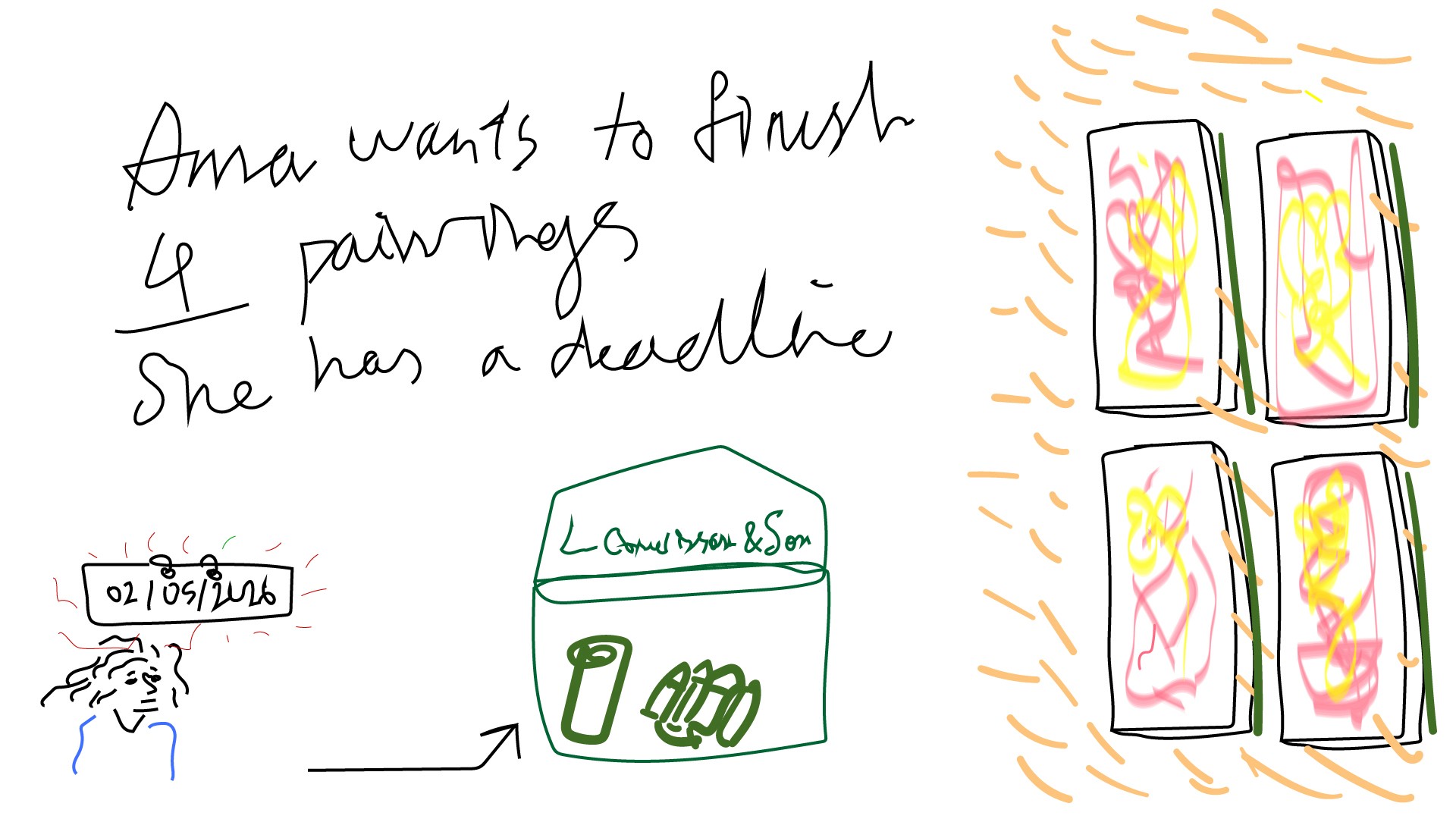
Anna White Afshar is a 31 years old emerging artist and diaspora of Iran . She has exhibited her paintings in London. Anna is going to have a solo show next month and needs to buy art materials. She usually buys pastels, pencils, and charcoal to finish her paintings. She finds these materials in art shops that are reliable and provide a variety. However, Anna is worried she will not get things done on time because she often shops last minute. Delivery delays have caused problems in the past, and she’s unsure if online options will arrive in time.
Behaviour
1. Procasination: last minute purchase for her painting practice
2. Dyslexia: having a hard time reading bulk of texts
3. Deadline-Driven: Often buys items last-minute before exhibitions
4. Spontaneous Discovery: Enjoys going through the materials for inspirations
5. Decision Drivers: Chooses shops based on price, ethics, quality, material diversity
Goal
1. Exhibition: refining the paintings with great art materials
2. Fast Delivery: needs reliable way to have the materials in her studio in time
3. Exploring for Inspiration: having access to diversity of material is crucial for her art
4. Price and Quality Purchase: being able to compare good quality products’ prices
5. Trusted Brands: wants to find the brands that she has used before
Frustration
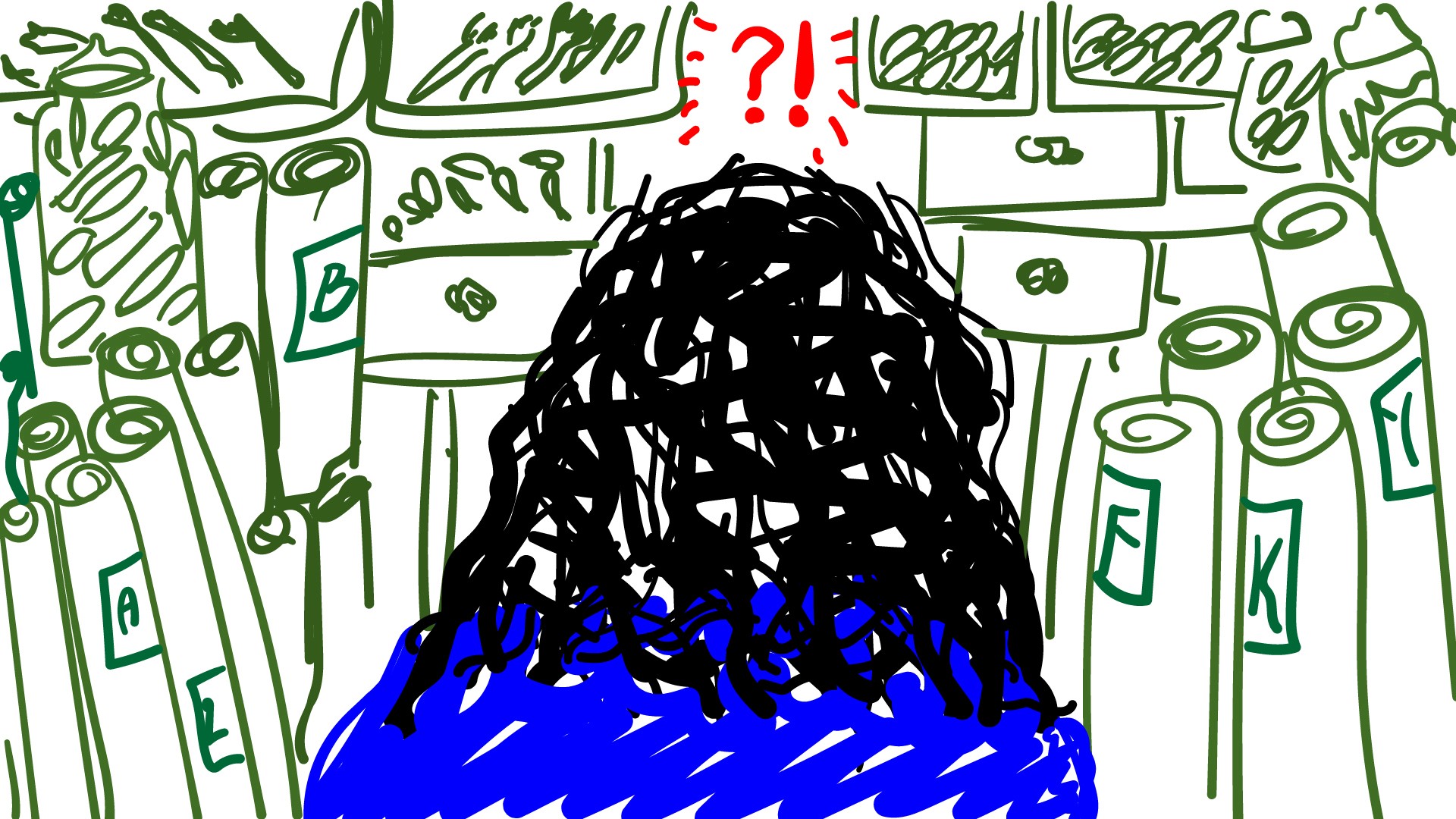
1. Overwhelmed: going through long list of materials w/out filtering options
2. Confused: reading product descriptions that are small or low contrast text
3. Stressed: worries about delivery methods
4. Disappointed: due to inaccurate or insufficient product information
Meet Mark!
Mark L. Cornelissen is an AI agent plays as the navigator in the site map. Mark is a speculative agent ethically trained by the owner of the shop and sass to help people find their desired products verbally instead of going through the categories. He has an old soul and knows traditional art materials very well.
Behaviour
1. Detailed: knows about all the materials
2. Conservative: has honour about the shop and their history
3. Honest: gives exact delivery times and what is in stock
4. Polite: minds user’s tone of language and replies only in gentle words
5. Inspiring: gives product suggestions related to user’s practice
Goal
1. Assistance: wants to be helpful both in giving accurate info and persuading for sale
2. Fast Delivery: facilitates reliable ways to art materials in different time frames
3. Giving access to users with dyslexia: reads products’ info and find the materials
Sketch
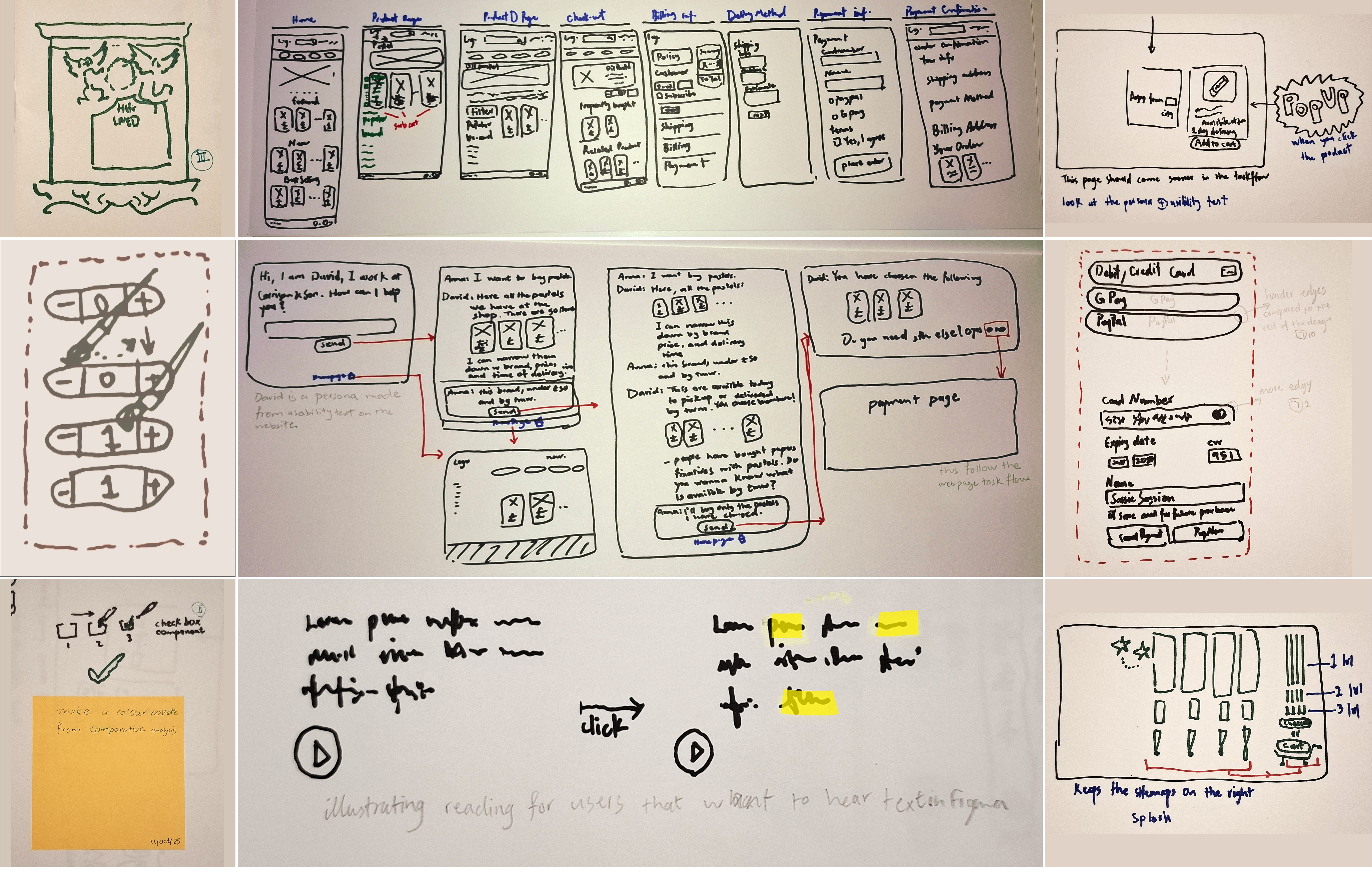
After the interviews and having the personas, I got a better sense to designate the purchasing task flow and sketch its pages.
Comparative and Competitive Analysis
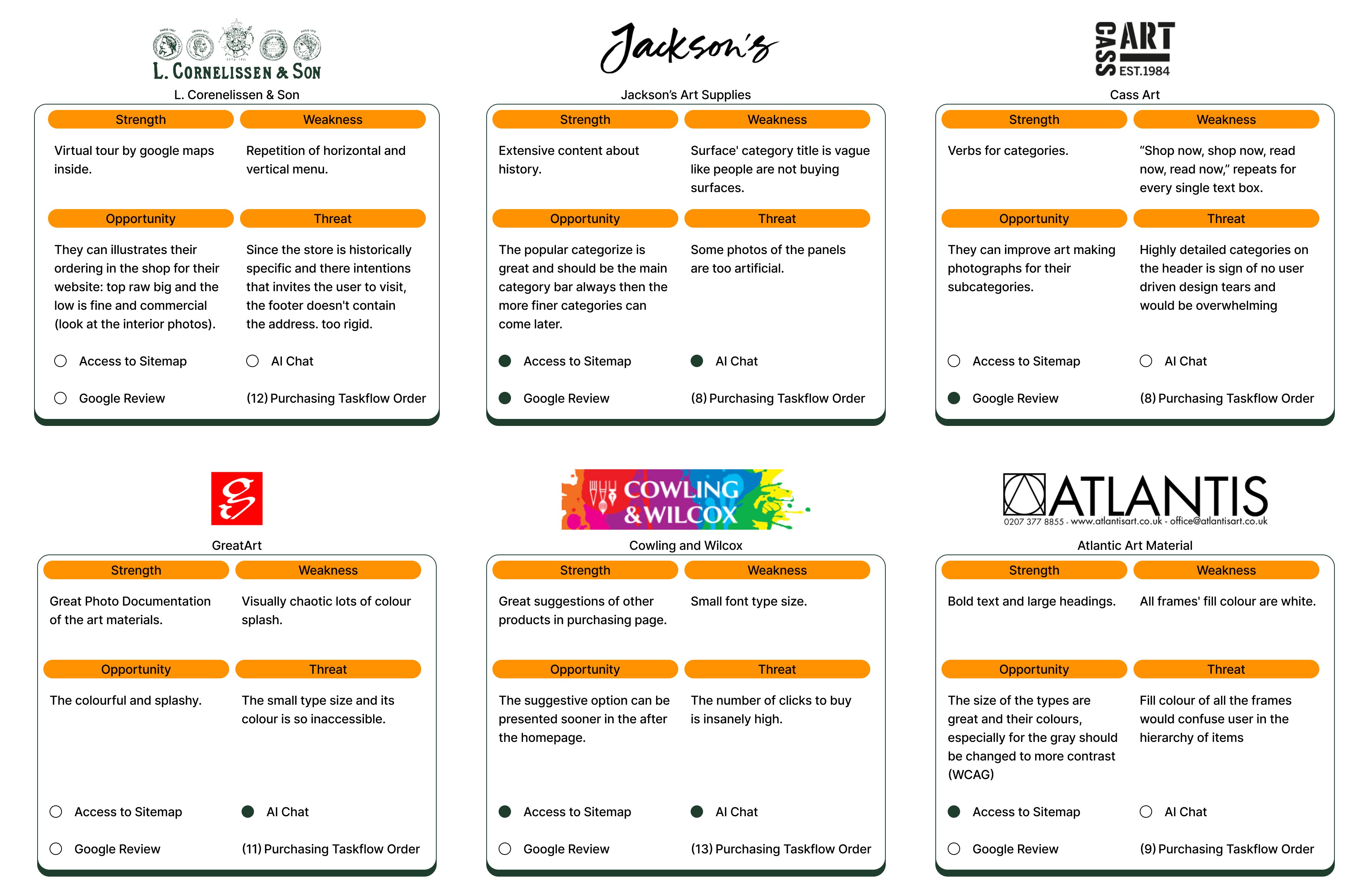
Having the personas and sketches in hand, I researched online art shops in London to check how accessible is their content and their Strenght, Weakness, Oppertunity, and Threats.
I’ve analyzed several competitor websites to identify their key features. Here are the specific improvements that I planed to integrate:
Strategic Design Enhancements
Historical Context (Inspired by Jackson's): Incorporating educational content regarding the history of materials to add depth and authority to the site.
Action-Oriented Navigation (Inspired by Cass Art): To improve the user journey, I’ll categorize products by verbs—such as Draw, Print, and Paint—rather than just traditional categories.
Smart Bundling (Inspired by GreatArt): When a user selects an item, I will provide "group suggestions" for complementary products to enhance the shopping experience.
Visual Fidelity (Inspired by Cowling and Wilcox): I aim to elevate the site’s aesthetic by utilizing high-quality, professional photography.
Accessibility & Readability (Inspired by Atlantic): Most importantly, I am prioritizing high type-and-text contrast. This supports my design decision to ensure the site is fully accessible for my primary persona, who has dyslexia.
Card Sorting and Information Architecture
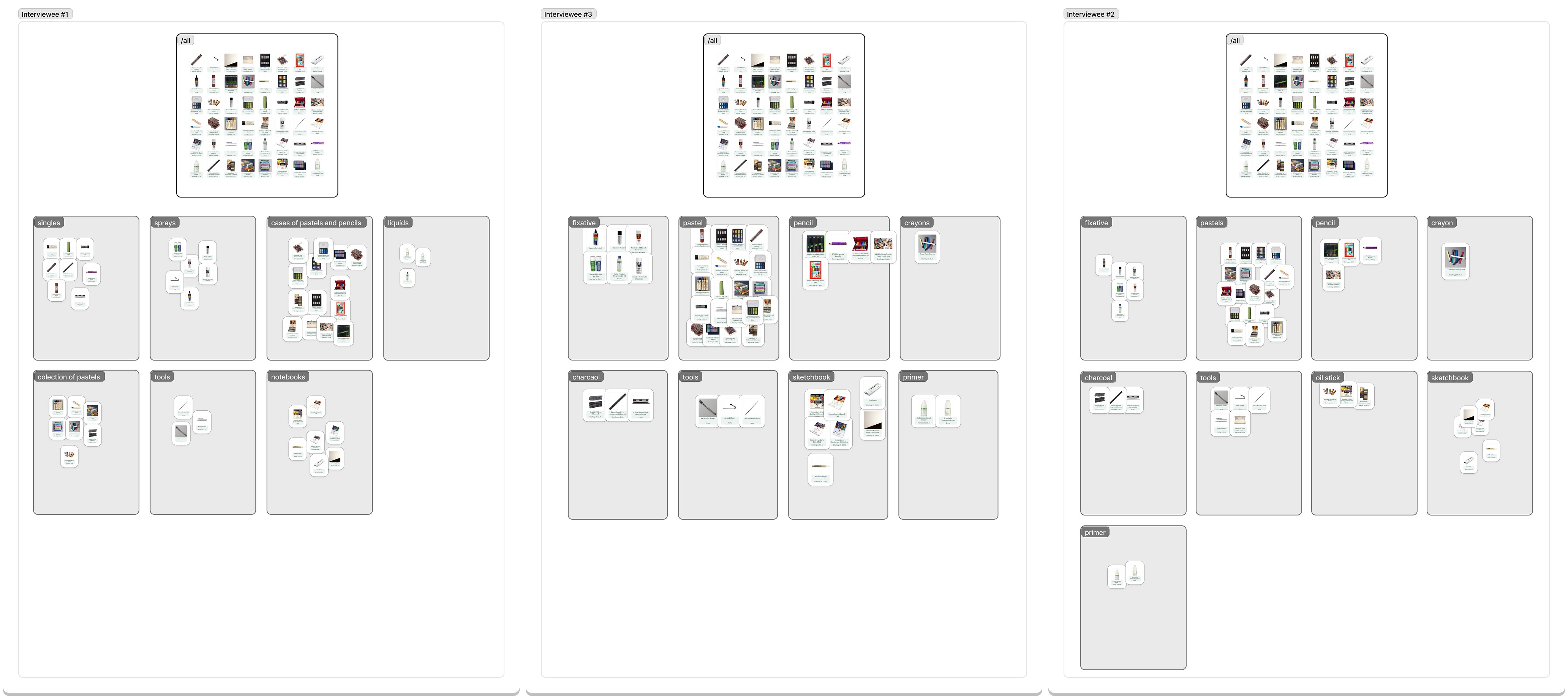
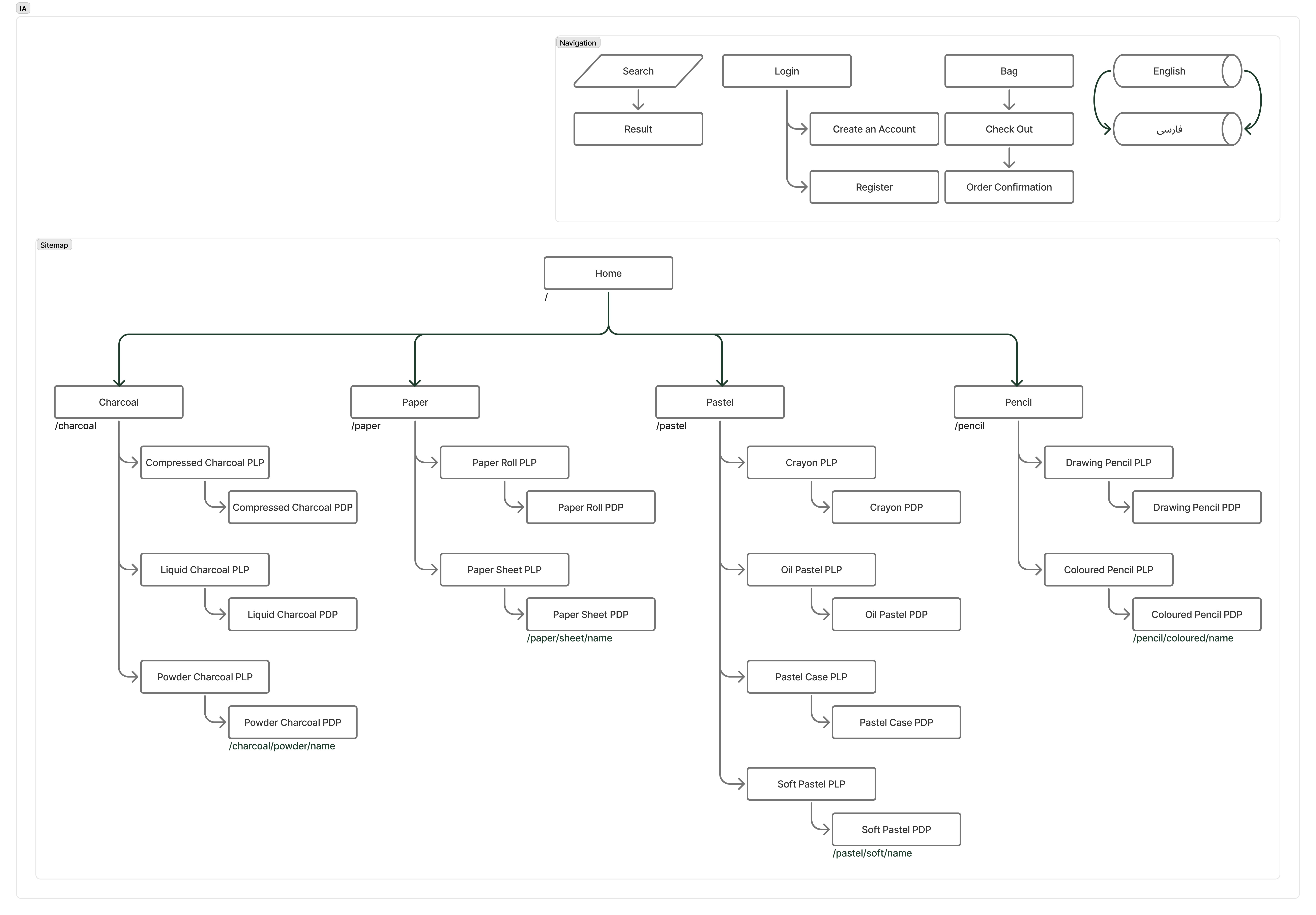
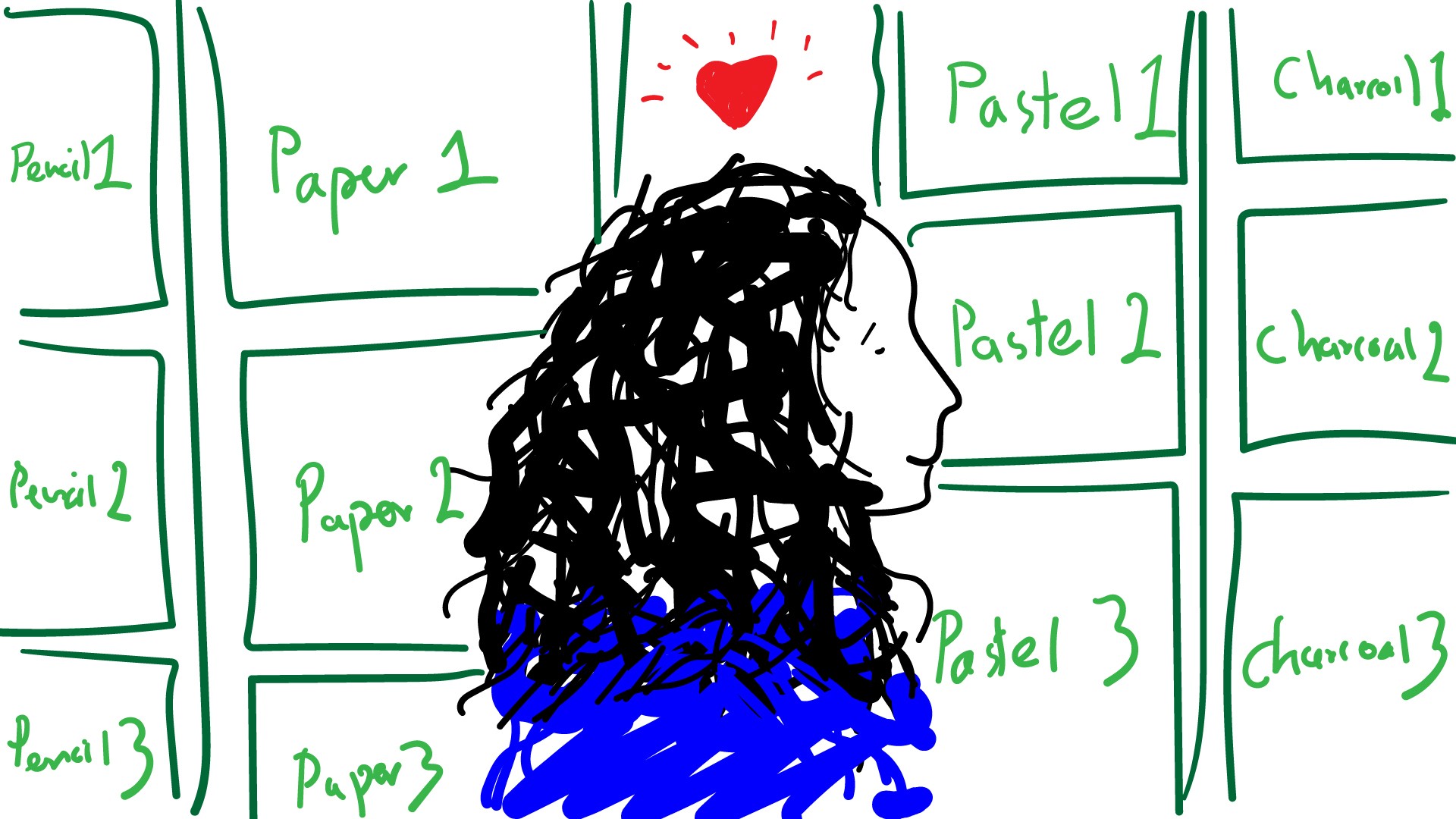
Listing current art materials at L. Cornelissen's website, I asked three interviewees to sort them into categories. As the website has many categories with only one product, the outcome of this finding was reduction of the number of categories and merging related product in ways in which the users expreinced them. Finally, card sorting led me to make the information architecture.
Transforming a Heritage Brand Into an Inclusive Digital Experience
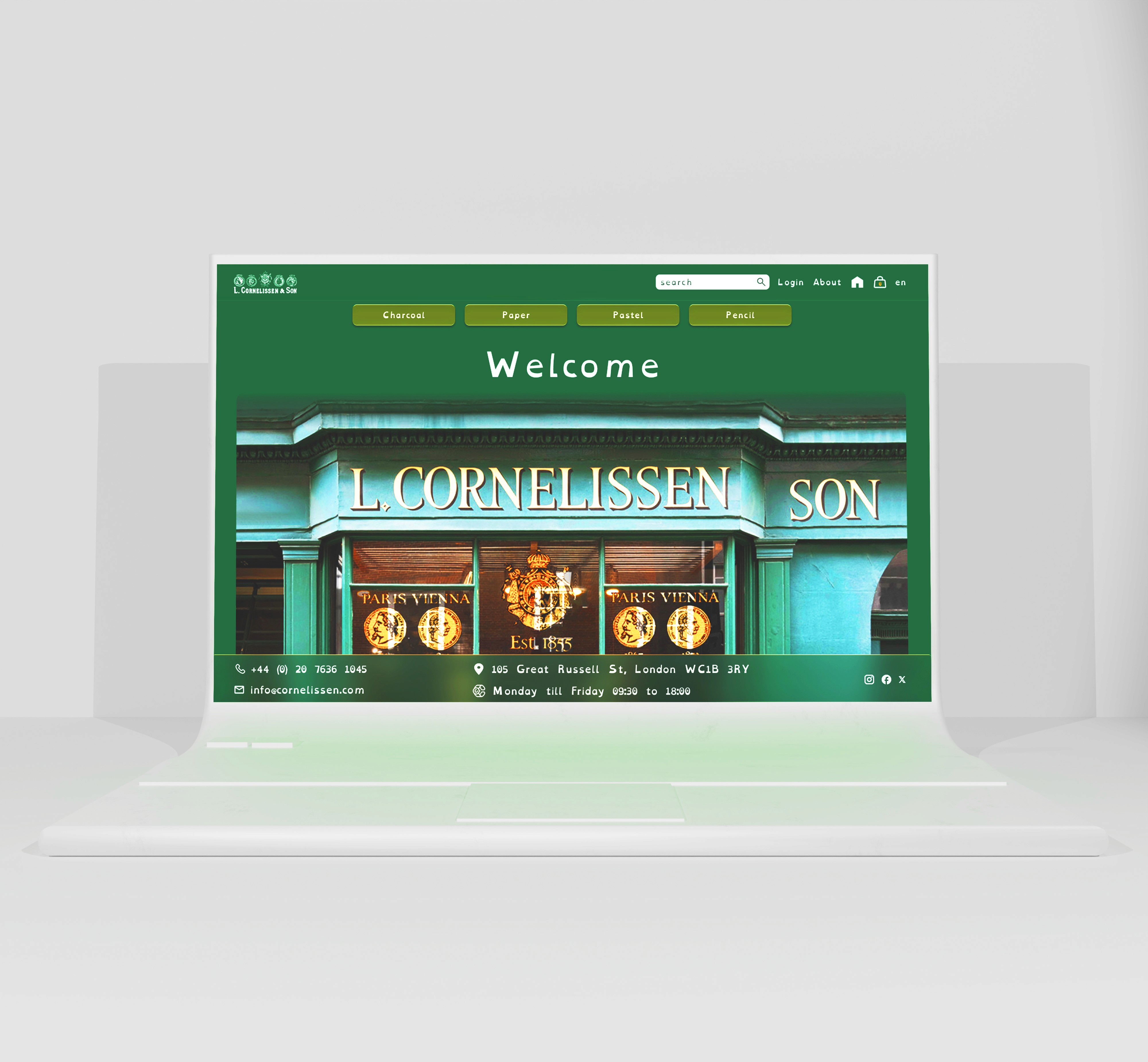
Through this redesign, several opportunities emerged for making Cornelissen’s online shop more intuitive and inclusive. Clearer product categorisation reduced cognitive load, while the AI assistant created a direct, conversational pathway for users who struggle with traditional navigation. The intentional font type decision supports and offers an additional layer of accessibility, enabling dyslexic customers to browse the site with greater independence and confidence.
The updated visual system; including, an SVG logo and refined interface elements, brought the brand’s craftsmanship into a cleaner, more accessible digital form. Together, these improvements demonstrate how heritage retailers can evolve their online presence without losing their identity, creating an experience that welcomes every type of artist.